Hetty Fox and the Street That Belonged to Children
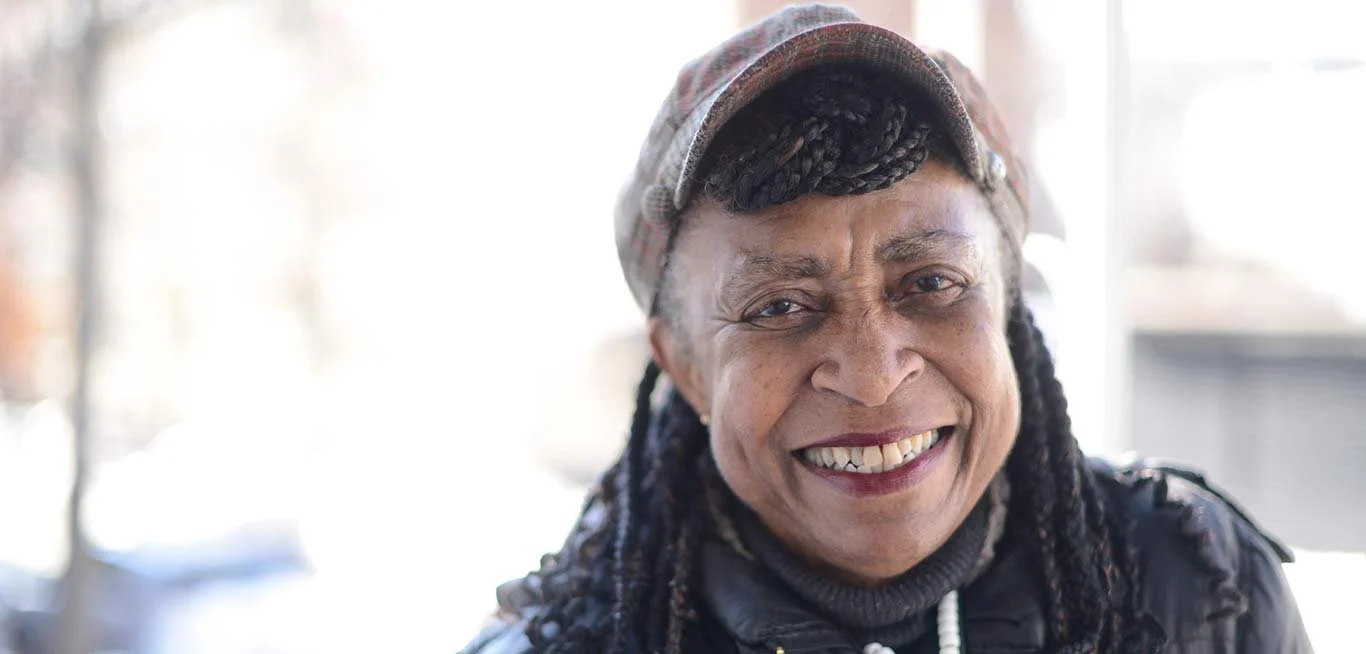
Hetty Fox: A Faithful Neighbor,
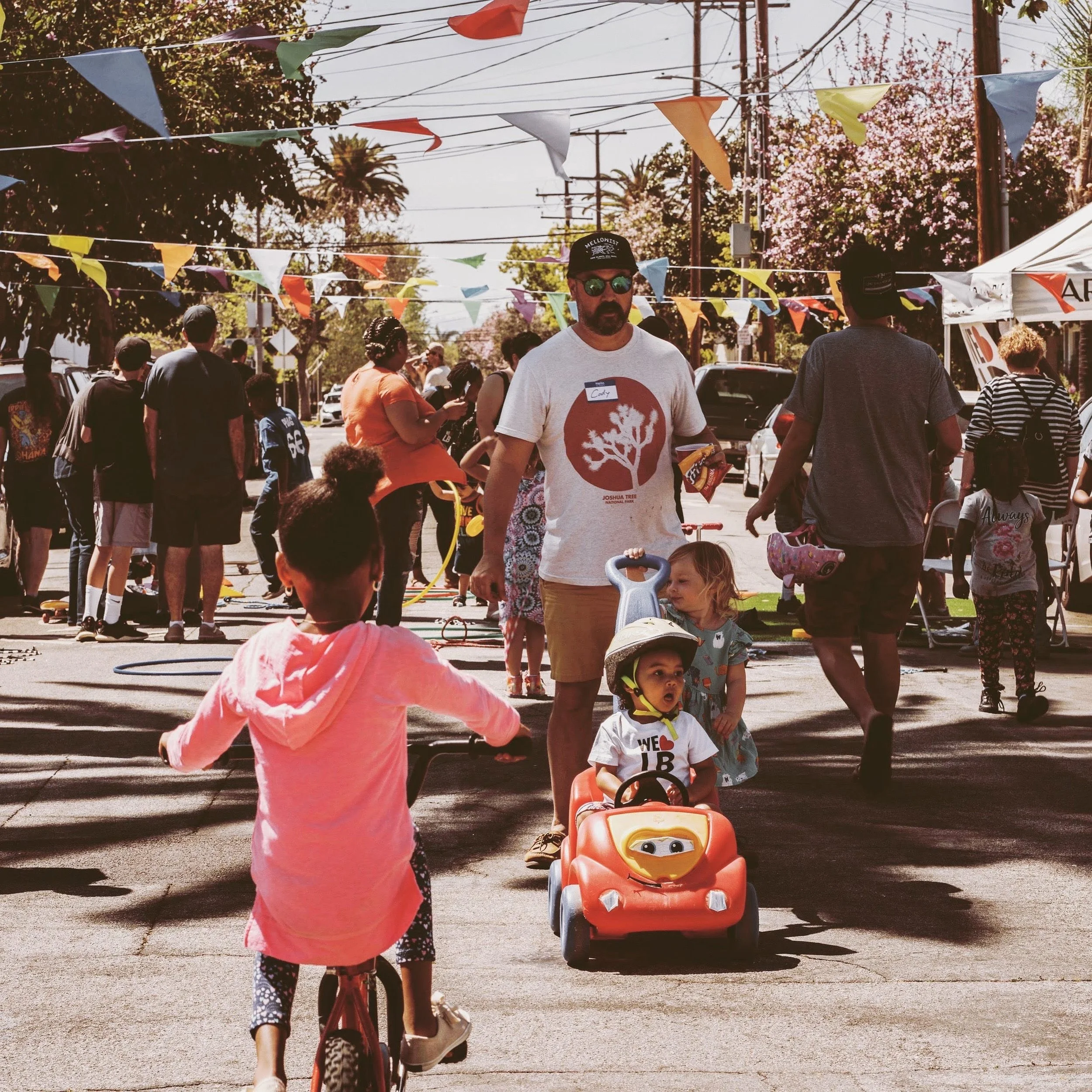
For more than 30 summers, Hetty Fox helped turn Lyman Place in the Bronx into something rare and beautiful: a car-free play street where children could run, play, laugh, and belong.
Each summer, Hetty helped create a space that felt both simple and extraordinary. The street, usually defined by traffic and movement, became a place of gathering, imagination, and neighborhood life. Kids played basketball, made crafts, sat around tables, and enjoyed the freedom of being together outdoors. Families came to know one another. The block became more than a row of buildings. It became a living, shared place of care.
What made Hetty’s contribution so meaningful was not only what she created, but how faithfully she showed up. Well into her 70s, she continued to set up basketball hoops, tables, and craft supplies each morning. Day after day, summer after summer, she offered her presence to the neighborhood. That kind of consistency matters. It tells children they are worth making space for. It tells families they are not alone. It tells a neighborhood that someone believes this place, and the people in it, matter.
Hetty understood something deep about neighborhood life. A healthy neighborhood is not built only through buildings, development, or infrastructure. Those things have their place, but they are not the soul of a community. A neighborhood’s soul lives in the relationships, rituals, and shared spaces that help people feel seen, welcomed, and connected to one another. It lives in the simple but profound acts of care that make everyday life more human.
On Lyman Place, Hetty embodied that kind of care. She practiced a faithful hospitality that made room for others, especially children. She protected space for play, joy, and connection. In doing so, she honored the shared dignity of the families around her. She was not simply organizing activities. She was helping nurture the social fabric of the block. She was helping create the kind of neighborhood where children could flourish and where families could experience belonging.
There is something deeply moving about the way Hetty gave herself to this work over time. Her life reminds us that neighborhood transformation does not always begin with large plans or big institutions. Sometimes it begins with one person who keeps showing up. One person who believes children deserve room to play. One person who sets out tables and hoops and craft supplies because they know that joy, safety, and belonging are worth making space for.
Hetty Fox’s life leaves us with a vision of what a city can be at its best. Not just a collection of streets and structures, but a place where neighbors protect and nurture one another, where children are cherished, and where public space becomes a setting for shared life.
As Hetty once said, “I sometimes wonder if this city is squandering its young people by not fighting to keep neighborhood life intact. Every species creates an environment where it protects and nurtures its offspring. If you don’t, then you’re saying we’re not really a city.”
Her words still challenge us. What would it look like for us to protect neighborhood life where we live? How might we create spaces of play, care, and belonging on our own blocks?